

Resources

04 June 2020
The effect of drugs on mental and physical health are well documented. However, these consequences do not necessarily prevent people using them either recreationally or more regularly, with some becoming addicted to their drug or drugs of choice. It is estimated that in 2016/17, around one in 12 (8.5%) adults aged 16 to 59 in England and Wales had taken an illicit drug in the last year (NHS Digital, 2018). Ketamine has become increasingly popular, especially among younger users, as it is cheap and mistakenly seen as a ‘safe’, non-addictive drug. However, the reality is that even recreational use may have serious consequences. The effect on the urinary system can be devastating, with users experiencing anything from frequency and cystitis-like symptoms, to extreme debilitating pain from the inflamed and shrunken bladder, resulting in cystectomy and urinary diversion, and, if the kidneys are affected, renal failure and dialysis.

04 June 2020
Urinary incontinence (UI) has been associated with chronic respiratory symptoms, which impact on patient quality of life (da Silva Paes et al, 2016). Chronic respiratory symptoms, such as coughing, wheezing, and dyspnoea, and patients with chronic chest conditions, such as asthma, bronchitis or chronic obstructive pulmonary disease (COPD), are associated with increased occurrence of UI. Women with respiratory symptoms have more severe symptoms and are more likely to have stress urinary leakage than those without. This paper provides an overview of asthma, and highlights the importance of community nurses not only addressing issues associated with respiratory diseases, such as ensuring that there is a personalised asthma action plan (PAAP) in place for those with asthma, but also assessing urinary incontinence to evaluate occurrence and decide upon measures that can be taken to prevent or lessen any leakage.

20 May 2020
Kate Upton, registered adult nurse and fellow of the Higher Education Academy; representative for Nursing Professions on the Crisis, Disaster and Trauma Psychology Section of the British Psychological Society; independent nursing/medical tutor and medical writer; PhD student at the University of Birmingham
17 April 2020
As a clinician, it is important that you are aware of the latest products and innovations that have the potential to improve outcomes for you and your patients. Each month, UCCT will highlight a product that is new, improved or innovative in order to keep you up to date.
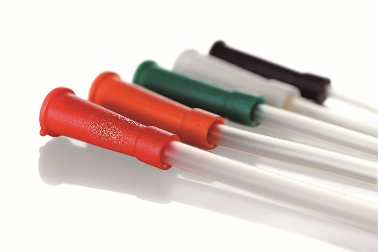
Here, we present the Prosys® SensaCath® intermittent catheter range, which has been developed to enhance the patient experience during intermittent self-catheterisation.
Here, we present the Prosys® SensaCath® intermittent catheter range, which has been developed to enhance the patient experience during intermittent self-catheterisation.

24 March 2020
Catheterisation has improved continence and reduced associated urinary tract problems. Intermittent catheterisation has been shown to be acceptable for all ages, including the elderly. The role of the nurse is important in teaching and supporting patients using clean intermittent catheterisation (CIC) to ensure confidence and adherence with the procedure. Some patients with indwelling catheters may experience poor body image and negative sexual self-esteem.

24 March 2020
Urinary tract infection (UTI) is an important cause of morbidity and mortality in the healthcare setting, accounting for 19% of all nosocomial infections (Loveday et al, 2014).
It is estimated that 43–56% of these are catheter-associated urinary tract infections (CAUTI) (Loveday et al, 2014).
If inadequately treated, CAUTI may progress to bacteraemia and consequent urosepsis syndrome, multiplying the risk of mortality and extending hospital stay (Centers for Disease Control and Prevention, 2009).
It is estimated that 43–56% of these are catheter-associated urinary tract infections (CAUTI) (Loveday et al, 2014).
If inadequately treated, CAUTI may progress to bacteraemia and consequent urosepsis syndrome, multiplying the risk of mortality and extending hospital stay (Centers for Disease Control and Prevention, 2009).

24 March 2020
Belinda Campbell started using a single-use urinary catheter in 2011. Although she did not have a proper diagnosis, she was told that her bladder and sphincter muscles did not work and that the connection between the brain and the bladder was not as it should be. Here, we ask Belinda about her journey and the support she has received in learning how to self-catheterise and coming to terms with a lifelong condition.
11 March 2020
This new digital journal has been developed to help you to excel in your job at a time when the demands made of you have never been greater.
10 March 2020
Kate Upton describes compassion fatigue, an increasingly reported form of stress associated with the demands of nursing in the current NHS, and questions what can be done to overcome it.

06 March 2020
Over one million indwelling urinary catheters are inserted every year in the UK; this equates to between 12 and 24% of hospital patients having an indwelling catheter at some point during their inpatient stay (Feneley et al, 2015).
The use of indwelling urinary catheters in the care sector can be higher (Royal College of Physicians, 2004; Loveday et al, 2015).
Nurses should be familiar with best practice and understand the advantages and disadvantages of using indwelling urinary catheters in the urethral and suprapubic sites.
The use of indwelling urinary catheters in the care sector can be higher (Royal College of Physicians, 2004; Loveday et al, 2015).
Nurses should be familiar with best practice and understand the advantages and disadvantages of using indwelling urinary catheters in the urethral and suprapubic sites.


